

Disclaimer: This post may include affiliate links. If you click one of these links, we may receive a small commission at no extra cost.
Speaking Spanish confidently doesn’t have to feel impossible. Many Spanish learners struggle with the gap between knowing grammar and vocabulary versus actually using it in real conversations. You freeze up, forget words you know, or feel too nervous to speak even though you understand plenty when listening.
This guide is for Spanish learners who can read and understand the language but feel stuck when it comes to speaking naturally. You’ll discover proven techniques to break through speaking barriers and start having actual conversations.
We’ll cover how to practice speaking through self-conversation techniques to build confidence privately, start with simple conversational foundations that help you use vocabulary you already know, find real speaking partners for authentic practice, master essential conversation topics, and overcome speaking anxiety to develop natural conversational flow.
There are five tactics for how to communicate well in Spanish conversations.
Now, let’s begin to go into detail about these tactics and implement them in our journey to mastering Spanish.
The first tactic for how to communicate well in Spanish conversations is the practice speaking through self-conversation techniques.

Create mental speeches and conversations to build confidence
Mental rehearsal serves as a powerful foundation for developing Spanish conversational skills without the pressure of real-time interaction. Begin by constructing imaginary dialogues in your mind, starting with simple scenarios like ordering food at a restaurant or asking for directions. Visualize yourself speaking confidently while mentally forming complete sentences using the vocabulary you already know. This technique allows you to experiment with different expressions and responses in a safe environment where mistakes become learning opportunities rather than sources of embarrassment.
Practice creating monologues about topics that interest you, such as describing your weekend plans or explaining your hobbies. Focus on connecting ideas smoothly and using appropriate transitional phrases. The key is to think entirely in Spanish rather than translating from English, which helps develop more natural thought patterns in your target language.
Talk to yourself out loud to hear your own pronunciation
Speaking aloud to yourself transforms mental practice into physical reality, engaging your mouth muscles and auditory processing simultaneously. Start with simple phrases and gradually work toward longer sentences, paying attention to the rhythm and intonation patterns of Spanish. Record yourself periodically to identify areas where your pronunciation needs improvement.
Create a daily routine where you spend 10-15 minutes speaking to yourself about various topics. This practice helps you become comfortable with the sound of your own voice in Spanish and builds the muscle memory necessary for fluent speech. Focus on clear articulation of challenging sounds like the rolled ‘rr’ or the soft ‘j’ sound.
Narrate daily activities in Spanish while performing them
Transform everyday routines into Spanish learning opportunities by providing running commentary as you complete tasks. While cooking, describe each step: “Estoy cortando las cebollas” or “Ahora voy a añadir sal.” This technique connects language learning with physical actions, creating stronger memory associations and making vocabulary more memorable.
Extend this practice to activities like getting dressed, cleaning, or walking to work. The goal is to think in Spanish about immediate, concrete experiences rather than abstract concepts. This approach builds confidence with present tense verbs and everyday vocabulary while making language practice feel natural and integrated into your lifestyle.
As a source of encouragement to help you master Spanish, please use this resource!
Practice expressing thoughts with existing vocabulary before learning new words
Maximize the utility of your current Spanish vocabulary by finding creative ways to express complex ideas with simpler terms. Instead of immediately reaching for a dictionary when you encounter a vocabulary gap, challenge yourself to circumlocute or explain the concept using words you already know. For example, if you don’t know the word for “screwdriver,” describe it as “una herramienta para tornillos.”
This constraint-based approach strengthens your ability to communicate effectively even when your vocabulary is limited. It also reinforces existing knowledge while building confidence in your ability to convey meaning regardless of lexical limitations. Practice paraphrasing and explaining concepts in multiple ways to develop flexibility in your Spanish expression.
The second tactic for how to communicate well in Spanish conversations is to start simple and build conversational foundations.

Master basic conversation starters and questions
Now that we have covered self-conversation techniques, the foundation of Spanish communication begins with mastering essential conversation openers. Start with universal greetings like “¿Cómo estás?” (How are you?) and “¿De dónde eres?” (Where are you from?). These simple questions create immediate connection points and demonstrate genuine interest in your conversation partner.
Practice question formation patterns systematically. Learn the difference between “¿Qué?” (What?), “¿Cuándo?” (When?), “¿Dónde?” (Where?), and “¿Por qué?” (Why?). Master follow-up questions such as “¿En serio?” (Really?) and “¿Y tú?” (And you?) to keep conversations flowing naturally.
Use simple topics like weather, location, and surroundings
Weather discussions provide safe conversational territory for beginners. Practice phrases like “Hace calor hoy” (It’s hot today) and “¿Qué tiempo hace?” (What’s the weather like?). These topics are universally relatable and require basic vocabulary that builds confidence.
Location-based conversations offer excellent practice opportunities. Learn to ask “¿Dónde queda…?” (Where is…?) and describe your surroundings using “Hay…” (There is/are…). Practice commenting on immediate environments: “Este lugar es muy bonito” (This place is very nice) or “La comida aquí huele deliciosa” (The food here smells delicious).
Focus on expressing likes, dislikes, and hobbies
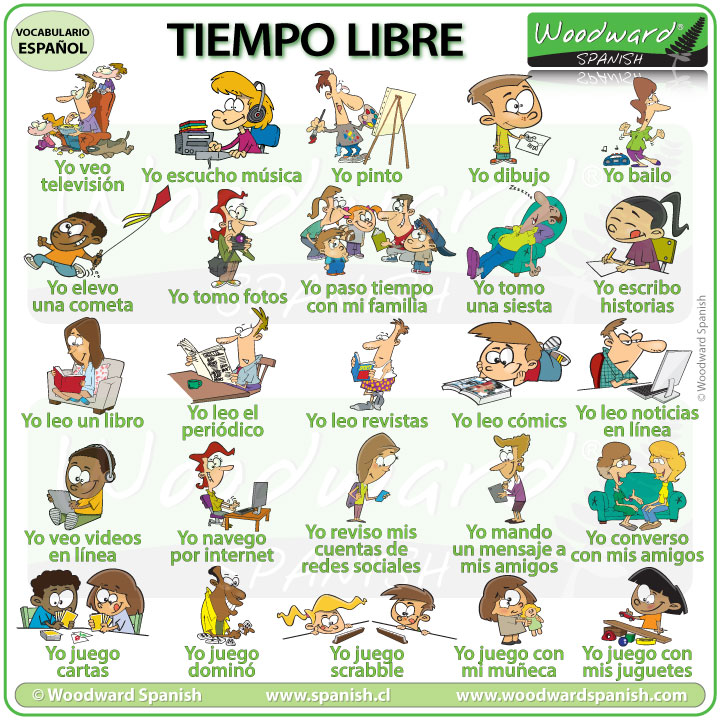
Personal preferences create meaningful connections in conversations. Master “Me gusta” (I like) and “No me gusta” (I don’t like) constructions thoroughly. Progress to “Me encanta” (I love) and “Me molesta” (It bothers me) for more nuanced expression.
Hobby discussions allow for extended practice while sharing genuine interests. Prepare vocabulary around common activities: “tocar música” (playing music), “hacer deporte” (playing sports), “leer libros” (reading books). Practice explaining frequency with “siempre” (always), “a veces” (sometimes), and “nunca” (never).
Practice common phrases repeatedly until they become automatic
Previously, I’ve emphasized that repetition creates conversational fluidity. Focus on high-frequency phrases that appear in multiple contexts: “Por supuesto” (Of course), “Me parece bien” (That seems good to me), and “No estoy seguro/a” (I’m not sure).
Develop automatic responses for common situations. Practice gratitude expressions like “Muchas gracias” and “De nada,” along with polite requests using “¿Podrías…?” (Could you…?) and “¿Te importaría…?” (Would you mind…?). With this in mind, next, we’ll see how drilling these phrases daily transforms hesitant speech into confident, natural conversation flow.
The third tactic for how to communicate well in Spanish conversations is to find real speaking partners and practice opportunities.

Connect with native speakers through language exchange platforms
Language exchange platforms offer one of the most effective ways to practice Spanish conversation with native speakers. These digital platforms connect you with Spanish speakers who want to learn your native language, creating a mutually beneficial learning environment. Popular platforms like HelloTalk, Tandem, and Speaky allow you to filter potential partners by location, age, and interests, ensuring you find compatible conversation partners.
When using these platforms, establish clear expectations about practice schedules and conversation topics. Most successful language exchanges involve alternating between languages during sessions – spending half the time speaking Spanish while your partner helps with corrections, then switching to your native language to assist them. This balanced approach ensures both participants benefit equally from the exchange.
Join Spanish conversation groups and Discord servers
Now that we’ve explored one-on-one exchanges, let’s examine group conversation opportunities. Spanish conversation groups, both online and offline, provide structured environments for practicing with multiple speakers simultaneously. Local libraries, community centers, and universities often host weekly Spanish conversation circles where learners of all levels gather to practice.
Discord servers dedicated to Spanish learning have become increasingly popular, offering 24/7 access to conversation channels. These servers typically organize voice chat sessions by proficiency level, allowing you to join conversations appropriate for your skill level. Many feature dedicated channels for specific topics like current events, hobbies, or cultural discussions, giving you varied vocabulary practice.
Practice with Spanish-speaking customers in local stores

Previously, I’ve mentioned formal practice environments, but real-world interactions offer authentic conversation practice. Many cities have stores, restaurants, or service businesses where Spanish is commonly spoken. These brief interactions provide opportunities to practice practical vocabulary for everyday situations like ordering food, asking for directions, or making purchases.
Start with simple interactions – greeting store employees, asking about products, or expressing thanks. These low-pressure situations allow you to practice pronunciation and basic conversational skills while accomplishing daily tasks. Remember to be respectful and patient, as these individuals are working, not teaching.
Learning Spanish is possible when you are determined and willing to master it. Use this tool now!
Work with online tutors and conversation services
With this in mind, next, we’ll explore professional conversation practice options. Online tutoring platforms like italki, Preply, and Verbling connect you with certified Spanish teachers and conversation partners who specialize in improving speaking skills. Unlike free language exchanges, these services provide structured lessons tailored to your specific needs and learning goals.
Professional conversation coaches can identify pronunciation issues, correct grammar mistakes in real-time, and provide targeted exercises to improve your speaking fluency. Many offer specialized conversation packages focusing on specific scenarios like business Spanish, travel conversations, or academic discussions. While these services require investment, the personalized feedback and structured approach often accelerate speaking improvement significantly compared to informal practice alone.
The fourth tactic for how to communicate well in Spanish conversations is to master essential conversation topics and vocabulary.

Learn business Spanish vocabulary for professional settings
Professional Spanish requires specific terminology that differs significantly from casual conversation. Focus on essential business expressions such as “hacer negocios” (to do business), “la reunión” (the meeting), and “el presupuesto” (the budget). Master formal greetings like “Es un placer conocerle” (It’s a pleasure to meet you) and professional email phrases including “Estimado/a” (Dear) and “Atentamente” (Sincerely). Practice discussing quarterly reports using “el informe trimestral,” negotiations with “las negociaciones,” and deadlines with “la fecha límite.”
Practice asking about personal information and backgrounds
Building rapport requires comfortable navigation of personal topics. Start with basic questions: “¿De dónde eres?” (Where are you from?), “¿A qué te dedicas?” (What do you do for work?), and “¿Tienes familia?” (Do you have family?). Progress to more detailed inquiries about educational background using “¿Qué estudiaste?” (What did you study?) and life experiences with “Cuéntame sobre…” (Tell me about…). Practice responding appropriately to these questions while maintaining cultural sensitivity and appropriate boundaries.
Discuss entertainment preferences like movies, music, and sports
Entertainment topics create natural conversation flow and cultural connection. Learn to express preferences using “Me encanta” (I love), “No me gusta nada” (I don’t like at all), and “Prefiero” (I prefer). Master movie-related vocabulary including “la película,” “el actor/la actriz,” and “el género.” For music discussions, practice “la canción” (song), “el cantante” (singer), and different genres like “el rock,” “la salsa,” and “el pop.” Sports conversations require terms like “el equipo” (team), “el partido” (game), and “ganar/perder” (to win/lose).
Use descriptive verbs to express feelings and opinions effectively
Emotional expression adds depth to Spanish conversations. Master feeling verbs such as “sentirse” (to feel), “emocionarse” (to get excited), and “preocuparse” (to worry). Practice opinion expressions using “Creo que” (I think that), “En mi opinión” (In my opinion), and “Me parece que” (It seems to me that). Learn intensity modifiers like “bastante” (quite), “muy” (very), and “extremadamente” (extremely) to nuance your expressions. Develop comfort with subjunctive mood for expressing doubt, emotion, and opinions with phrases like “Dudo que” (I doubt that) and “Espero que” (I hope that).
The fifth tactic for how to communicate well in Spanish conversations is to overcome speaking anxiety and build natural flow.

Accept that making mistakes is part of the learning process
Now that we have covered the foundational aspects of Spanish conversation practice, it’s crucial to address one of the biggest barriers to fluent communication: the fear of making errors. Every Spanish learner must understand that mistakes are not failures but essential stepping stones toward fluency. When you stumble over verb conjugations or mispronounce words, you’re actually engaging in the natural learning process that every native speaker once experienced.
The most effective approach is to reframe your relationship with errors. Instead of viewing them as embarrassing moments, consider them valuable feedback that helps identify areas needing improvement. Professional linguists consistently emphasize that language acquisition occurs through trial, error, and correction. This mindset shift transforms potentially discouraging moments into learning opportunities that accelerate your progress.
Start with structured practice before attempting spontaneous conversation
Previously, many learners have jumped directly into unstructured conversations, leading to frustration and decreased confidence. A more strategic approach involves beginning with controlled speaking exercises that gradually build your comfort level. Start with predetermined dialogue patterns, role-playing scenarios, and guided conversations where you can predict the general flow and vocabulary requirements.
Structured practice sessions might include reading dialogues aloud, practicing specific conversation frameworks, or following scripted exchanges about familiar topics. This foundation allows you to develop muscle memory for common phrases and sentence structures before tackling the unpredictability of spontaneous dialogue. The goal is building confidence through repeated success in controlled environments.
Use writing exercises to organize thoughts before speaking
With this in mind, next, we’ll explore how written preparation can dramatically improve your spoken Spanish. Writing exercises serve as a bridge between passive knowledge and active communication. Before engaging in conversations, spend time organizing your thoughts on paper, allowing you to structure ideas clearly and identify vocabulary gaps in advance.
Consider creating conversation outlines where you map out potential discussion points, relevant vocabulary, and key phrases you want to practice. This preparation reduces cognitive load during actual conversations, freeing mental resources to focus on pronunciation, listening comprehension, and natural flow. Writing also helps solidify grammar structures and word order, making them more readily available when speaking spontaneously.
To help you master Spanish, please use this resource right now!
Incorporate funny Spanish idioms to sound more natural and confident
Finally, integrating authentic Spanish expressions and humorous idioms into your conversations can significantly boost both your confidence and natural flow. Idiomatic expressions are the hallmark of native-like fluency, and using them appropriately demonstrates cultural understanding beyond mere vocabulary knowledge. These colorful phrases often serve as conversation lubricants, creating moments of connection and shared understanding with native speakers.
Learning idioms also provides psychological benefits by giving you memorable, ready-made phrases that can fill conversational pauses and add personality to your speech. When you successfully use an expression like “estar en las nubes” (to be daydreaming) or “costar un ojo de la cara” (to cost an arm and a leg), you experience the satisfaction of sounding authentically Spanish, which builds momentum for continued practice and improvement.
Mastering Spanish conversation is a journey that requires consistent practice and gradual confidence building. Whether you’re having imaginary conversations with yourself, practicing basic phrases until they become second nature, or pushing through the initial awkwardness of speaking with native speakers, each step builds toward natural communication. Remember that making mistakes is part of the process – even experienced learners accidentally say “amor” to their girlfriend’s son-in-law or tell strangers they love them instead of greeting them properly.
The key is to start simple and expand gradually, focusing on using the vocabulary you already know rather than constantly translating from English. Find speaking partners through language exchange websites, join conversation groups, or connect with Spanish speakers in your community who appreciate your learning efforts. With time and practice, those moments of freezing up will become fewer, and you’ll find yourself naturally flowing through conversations about everything from your hobbies to business topics, complete with the occasional Spanish idiom that makes everyone smile.
After reading this engaging post, I know that you are more confident in yourself to begin conducting conversations in Spanish. In order to do that, you always have to believe in yourself and stay 100% confident to practice the language. Today, I want to give you a free e-book that focuses on “Mastering Spanish Conversations!” To get a copy instantly, just click the link below now.

Click here right now for the e-book: “Mastering Spanish Conversations.”
Don’t forget to comment and share this blog post on your social media accounts!
If you are new to my blog, please feel free to check out the other recent posts.
