
Disclaimer: This post may include affiliate links. If you click one of these links, we may receive a small commission at no extra cost.
How To Use Simple Phrases in Spanish to Communicate
Learning Spanish doesn’t have to be complicated. If you’re a beginner who wants to start speaking Spanish right away, mastering a few essential phrases can unlock real conversations and help you communicate confidently from day one.
These simple Spanish phrases work for travelers heading to Spanish-speaking countries, students just starting their language journey, and anyone who wants to connect with Spanish speakers in their community. You don’t need perfect grammar to make meaningful connections – just the right words at the right time.
In this guide, we’ll explore essential Spanish conversation starters that help you introduce yourself and break the ice with native speakers. You’ll discover basic greetings and social phrases that work in restaurants, shops, and everyday interactions. We’ll also cover practical communication tools for navigating daily situations like asking for directions, ordering food, and handling common travel scenarios.
By the end, you’ll have a toolkit of go-to phrases that transform awkward silence into natural conversations, giving you the confidence to practice Spanish in real-world settings.
Master Essential Spanish Conversation Starters
Learn “Hay” to Express “There is/There are”
The word “hay” serves as one of the most versatile and essential phrases in Spanish communication. This simple yet powerful word means both “there is” and “there are,” making it incredibly useful for describing what exists in any given situation.
What makes “hay” particularly user-friendly is its unchanging form. Unlike many Spanish verbs, “hay” never conjugates and is always used in the present tense. This consistency eliminates the complexity of verb conjugation while providing maximum communicative impact.
When using “hay” with nouns, you can pair it with indefinite articles like “un” and “una,” or use it directly with plural words. For example, “Hay una fiesta hoy” translates to “There is a party today,” while “Hay dos camas en la habitación” means “There are two beds in the room.” However, avoid using “hay” with definite articles “el” or “la.”
To create negative statements, simply add “no” before “hay”: “No hay tenedores” means “There are no forks.” For questions, maintain the same word order but raise your voice at the end: “¿Hay una fiesta hoy?” transforms the statement into “Is there a party today?”
Use “Necesito” to Communicate Your Needs
Expressing needs clearly forms the foundation of practical Spanish communication. The phrase “necesito” meaning “I need” serves as your gateway to requesting assistance, information, or essential items.
“Necesito” demonstrates remarkable flexibility in its usage. When paired with nouns, it allows you to communicate material needs: “Necesito ayuda” for “I need help” or “Necesito más información” for “I need more information.” The negative form works equally well: “No necesito un suéter” means “I don’t need a sweater.”
When expressing action-based needs, combine “necesito” with verbs. For instance, “Necesito caminar un poco más” translates to “I need to walk a little more.” This construction proves invaluable when communicating activities you must perform.
The verb “necesitar” follows regular -ar verb patterns, with “necesito” using the -o ending for first-person singular. To inquire about others’ needs, use “necesitas” for casual interactions or “necesita” for more formal situations: “¿Necesitas agua?” asks “Do you need water?”
Express Obligations with “Tengo que”
Communicating obligations and responsibilities requires the powerful phrase “tengo que,” which translates to “I have to” followed by a verb. This construction combines “tengo” (I have) with “que” (that) to express necessity and duty.
“Tengo que” always requires a verb to complete the thought. Examples include “Tengo que regresar hoy” meaning “I have to go back today,” or “Tengo que practicar español” for “I have to practice Spanish.” When expressing lack of obligation, use the negative form: “No tengo que comer ahora mismo” translates to “I don’t have to eat right now.”
Time-specific obligations work seamlessly with this phrase: “Tengo que salir a las 4” clearly states “I have to leave at 4.” This precision makes “tengo que” indispensable for scheduling and time management conversations.
Remember that “tener” is an irregular verb, which affects its conjugation patterns. When asking about others’ obligations, use “tienes que” for informal situations or “tiene que” for formal contexts: “¿Tienes que salir a las 4?” asks “Do you have to leave at 4?”
Make Polite Requests Using “Me gustaría”
Politeness in Spanish communication reaches its peak with “me gustaría,” meaning “I would like.” This phrase represents the conditional form of “me gusta” (I like), offering a more courteous alternative for expressing desires and making requests.
“Me gustaría” works primarily with verbs but also accommodates nouns when necessary. Verb combinations create natural-sounding requests: “Me gustaría ir al centro” means “I’d like to go downtown,” while “Me gustaría comprar un boleto” translates to “I’d like to buy a ticket.” For exploring new places, try “Me gustaría conocer la ciudad” meaning “I’d like to get to know the city.”
The negative form expresses polite refusal: “No me gustaría salir temprano” communicates “I would not like to leave early” without appearing rude or abrupt.
To extend courtesy to others, replace “me” with “te” for casual interactions or “le” for formal situations. “¿Te gustaría ir al cine?” asks “Would you like to go to the movies?” The “me” functions as an indirect object pronoun, while the “-ía” ending represents the conditional verb form, creating this essential polite construction.
Build Your Foundation with Basic Greetings and Social Phrases
Master Time-Appropriate Greetings Throughout the Day
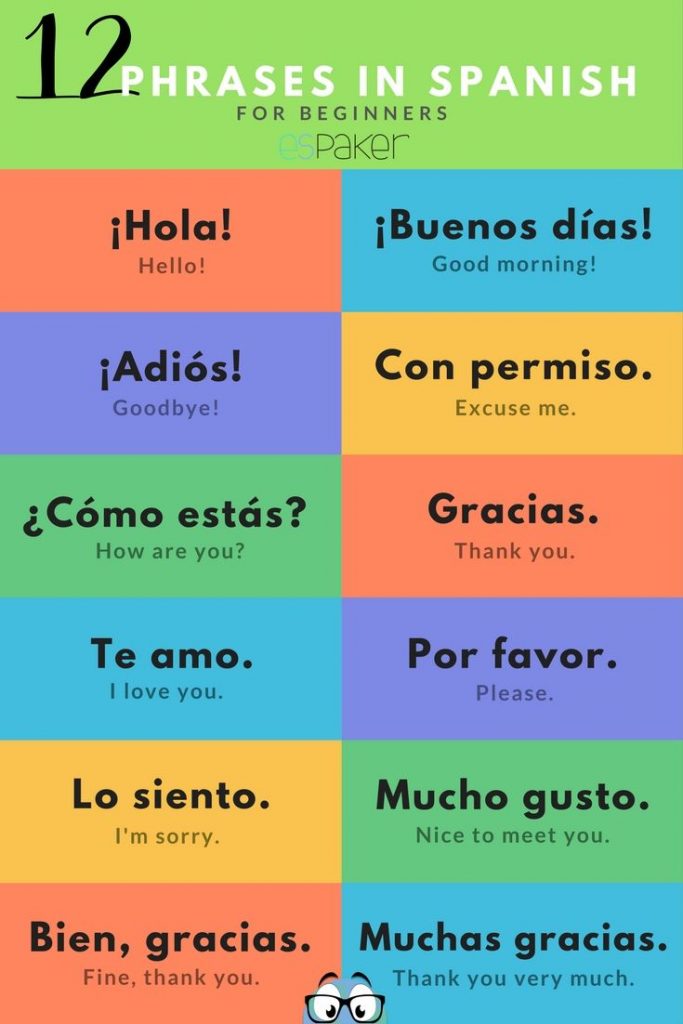
Understanding when to use specific greetings demonstrates cultural awareness and proper etiquette in Spanish-speaking environments. “Hola” serves as your most versatile greeting option, meaning “Hello” and functioning appropriately in almost any situation. Remember not to pronounce the ‘h’ – it should sound like ‘Oh-lah’.
For more formal interactions, time-specific greetings show greater respect and cultural understanding. “Buenos días” translates to “Good morning” and should be your go-to greeting during morning hours. As the day progresses past midday, transition to “Buenas tardes,” meaning “Good afternoon,” which remains appropriate until evening in polite settings. “Buenas noches” serves a dual purpose – use it as “Good evening” when greeting someone or as “Good night” when departing or retiring for the day.
Learn Proper Introduction and Meeting Phrases
Building meaningful connections requires mastering introduction protocols. When asking about someone’s well-being, “¿Cómo está?” represents the formal approach to “How are you?” For informal situations with friends, family, or peers, add an ‘s’ to create “¿Cómo estás?”
A polite and commonly used response is “Bien, gracias. ¿Y tú?” which means “Fine, thank you. And you?” This phrase keeps conversations flowing naturally while maintaining courtesy. For self-introductions, “Mi nombre es…” followed by your name provides a straightforward, clear method to identify yourself. Complete the introduction exchange with “Mucho gusto,” meaning “Nice to meet you,” demonstrating politeness and social grace.
Use Essential Politeness Words in Every Conversation
Politeness words form the backbone of respectful Spanish communication. “Por favor” means “Please” and proves crucial for showing graciousness in requests. “Gracias” translates to “Thank you” and receives universal appreciation across all Spanish-speaking cultures. When someone thanks you, respond with “De nada,” meaning “You’re welcome” – literally translating to “it’s nothing.”
“Perdón” serves multiple purposes, functioning as “Excuse me” to politely gain someone’s attention or “I’m sorry” when apologizing for minor mistakes. Master the basics with “Sí” for “Yes” and “No” for “No” – these fundamental responses appear in virtually every conversation.
Practice Common Farewell Expressions
Concluding conversations gracefully requires appropriate farewell expressions. “Nos vemos” translates to “See you later” and works perfectly for casual departures among friends, colleagues, or acquaintances. “Hasta luego” also means “See you later” or “Goodbye” and enjoys widespread usage in informal settings, making it an excellent addition to your conversational toolkit for ending interactions on a positive, friendly note.
Navigate Daily Situations with Practical Communication Tools
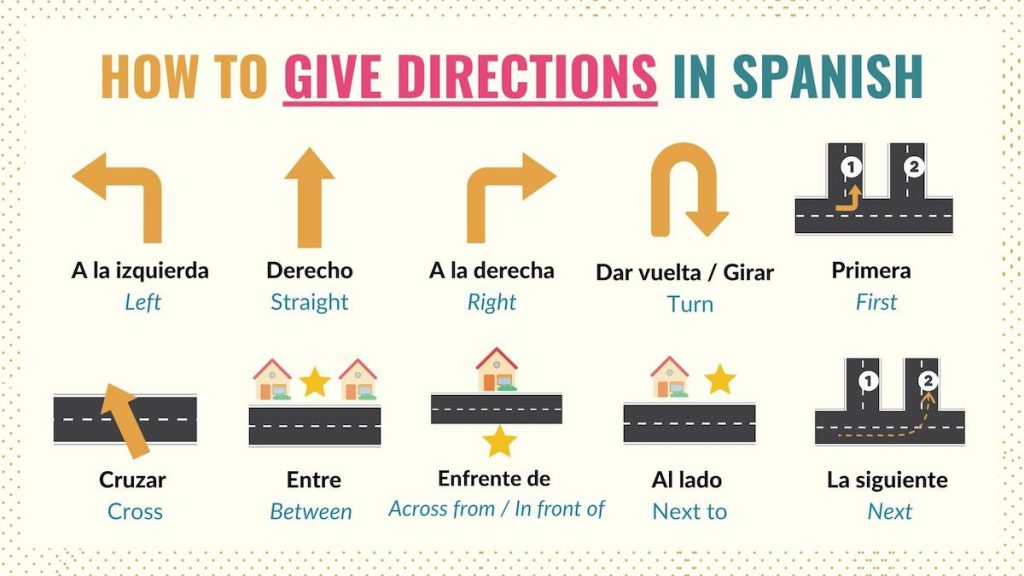
Ask for Directions and Locations Confidently
Navigating unfamiliar places becomes significantly easier when you master key Spanish phrases for asking about locations. The fundamental phrase “¿Dónde está…?” meaning “Where is…?” serves as your primary tool for locating specific places. For instance, when nature calls, simply ask “¿Dónde está el baño?” (where is the bathroom?) to find restroom facilities quickly.
When meeting up with friends or colleagues, “¿Dónde estás?” (Where are you?) proves invaluable for coordinating locations. This phrase helps you connect with others when you’re trying to find each other in crowded areas or unfamiliar neighborhoods.
Perhaps most importantly, “Estoy perdido/a” (I’m lost) can be a lifesaver when you’ve wandered too far off course. Remember to use “perdido” if you’re male and “perdida” if you’re female. This phrase immediately signals to locals that you need directional assistance and opens the door for helpful guidance.
Handle Shopping and Price Inquiries
Shopping in Spanish-speaking countries becomes much more manageable when you can inquire about costs effectively. The essential phrase “¿Cuánto cuesta?” (How much does it cost?) is your gateway to understanding pricing for any item you encounter. Whether you’re browsing local markets, shopping for souvenirs, or making everyday purchases, this simple question ensures you can make informed buying decisions and avoid any pricing surprises at checkout.
Manage Misunderstandings and Language Barriers
Communication breakdowns are natural when learning a new language, but having the right phrases can transform these moments into learning opportunities. When conversations move too quickly, “No entiendo” (I don’t understand) clearly communicates your need for clarification, prompting native speakers to adjust their approach.
For more specific assistance, “Habla más despacio, por favor” (Speak more slowly, please) politely requests a slower pace of conversation, making it easier to follow along and comprehend what’s being said.
When encountering unfamiliar vocabulary, “¿Qué significa…?” (What does… mean?) opens the door to expanding your Spanish knowledge. For example, asking “¿Qué significa esta palabra?” (What does this word mean?) helps you learn new terms in context, building your vocabulary through real conversations.

Express Preferences and Opinions Naturally
Building connections through shared interests becomes possible with preference-expressing phrases. “Me gusta” (I like) allows you to share your positive feelings about various experiences, such as saying “Me gusta la comida” (I like the food) when enjoying local cuisine.
Turn the conversation interactive by asking “¿Qué te gusta?” to discover what others enjoy, creating opportunities for deeper cultural exchange and finding common ground with new acquaintances.
Adding emotional responses like “¡Qué gracioso!” (How funny!) helps you engage in light-hearted conversations and shows your appreciation for humor, making interactions more natural and enjoyable.
Transform Simple Phrases into Natural Conversations
Combine Basic Phrases for More Complex Communication
While the foundation of Spanish communication begins with individual phrases, the real breakthrough happens when you start linking these elements together to express more sophisticated ideas. Building upon the greetings and basic expressions you’ve learned, you can create meaningful exchanges by strategically combining simple components.
Ask Questions to Keep Conversations Flowing
Now that we have covered basic phrases, the key to maintaining engaging conversations lies in asking the right questions at the right moments. Questions serve as the bridge between simple exchanges and dynamic interactions.
Transform statements into questions by raising your voice at the end. For instance, “Hay una fiesta hoy” becomes “¿Hay una fiesta hoy?” (Is there a party today?). This simple technique opens doors to deeper conversations.
Essential question patterns include:
- ¿Cómo está? / ¿Cómo estás? (How are you?)
- ¿Dónde está…? (Where is…?)
- ¿Cuánto cuesta? (How much does it cost?)
- ¿Qué hora es? (What time is it?)
- ¿Qué te gusta? (What do you like?)
- ¿Qué significa…? (What does… mean?)
For needs and preferences, adapt your questions accordingly:
- ¿Necesitas agua? (informal) / ¿Necesita agua? (formal) – Do you need water?
- ¿Tienes que salir a las 4? (informal) / ¿Tiene que salir a las 4? (formal) – Do you have to leave at 4?
- ¿Te gustaría ir al cine? (casual) / ¿Le gustaría ir al cine? (formal) – Would you like to go to the movies?
Use Formal vs Informal Speech Appropriately
With this in mind, next, we’ll see how crucial it is to match your speech level to the social context. Spanish distinguishes between formal and informal address, and choosing correctly demonstrates cultural awareness and respect.
| Situation | Formal | Informal |
|---|---|---|
| How are you? | ¿Cómo está? | ¿Cómo estás? |
| Do you need? | necesita | necesitas |
| Do you have to? | tiene que | tienes que |
| Would you like? | le gustaría | te gustaría |
Use formal speech with strangers, elderly people, authority figures, or professional settings. Informal speech works with friends, family, children, or peers in casual environments.
Practice Common Response Patterns for Smooth Interactions
Previously, I’ve emphasized the importance of questions, but equally vital is knowing how to respond naturally. Mastering common response patterns creates the rhythm that makes conversations feel effortless.
When someone says “Gracias”, respond with “De nada” (You’re welcome). This automatic exchange builds confidence and shows cultural fluency.
For “¿Cómo está?”, the standard response follows a predictable pattern: “Bien, gracias. ¿Y tú?” This response acknowledges the question, provides your status, expresses gratitude, and redirects the question back, maintaining conversational momentum.
These response patterns become the scaffolding upon which more complex conversations develop, transforming basic phrase knowledge into natural, flowing communication.
Learning to communicate effectively in Spanish starts with mastering these simple but powerful phrases. From essential conversation starters and basic greetings to practical tools for navigating daily situations, these phrases provide the foundation you need to transform basic vocabulary into natural conversations. Whether you’re asking “¿Dónde está?” to find your way or using “Me gustaría” to make polite requests, each phrase serves as a building block for meaningful communication.
The beauty of these Spanish phrases lies in their versatility and immediate usefulness. Start practicing with just a few key expressions like “Hay,” “Necesito,” and “Tengo que,” and gradually build your confidence through real conversations. Remember, even small efforts to speak the local language show respect for the culture and can lead to more meaningful interactions wherever your Spanish journey takes you.
As a form of encouragement, I am personally going to give you a free e-book, “Mastering Spanish Conversations,” which will help you prepare to speak the language. All you need to do is click the link below, right now, to get access to this wonderful e-book!

CLICK HERE NOW TO GET YOUR E-BOOK: MASTERING SPANISH CONVERSATIONS
Don’t forget to comment and share this blog post on your social media accounts!
If you are new to my blog, please feel free to check out the other recent posts.
