
Disclaimer: This post may include affiliate links. If you click one of these links, we may receive a small commission at no extra cost.
Learning Spanish doesn’t happen overnight, but with the right daily habits, you can make steady progress without spending hours studying. This guide is perfect for busy learners, students, and working professionals who want to practice Spanish every day but struggle to find time or stay consistent.
You’ll discover how to build rock-solid learning habits that stick, even with a packed schedule. We’ll also explore simple ways to get daily Spanish exposure through listening practice that fits into your commute, lunch break, or evening routine. Plus, you’ll learn practical speaking techniques you can use right now, even if you’re just starting out.
Ready to turn Spanish practice into an automatic part of your day? Let’s dive in.
The first suggestion on how to practice Spanish every day is to build consistent daily learning habits.
Set a realistic daily time commitment
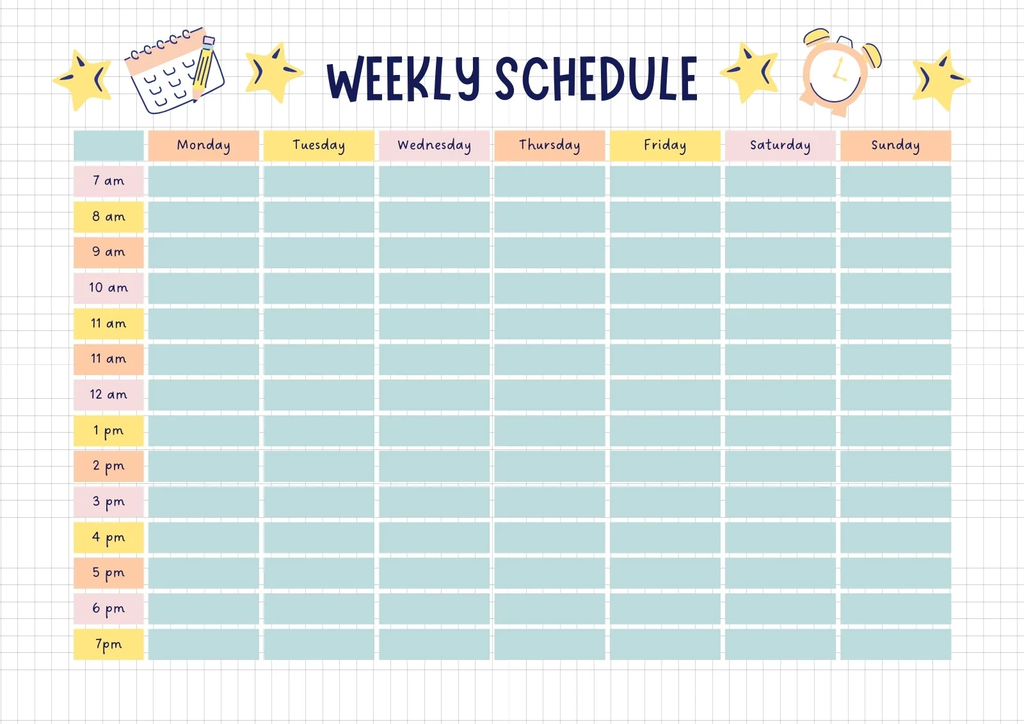
Starting your Spanish journey with unrealistic expectations will sabotage your progress before you even begin. Many language learners enthusiastically commit to studying two hours daily, only to burn out within a week. Instead, begin with just 15-20 minutes per day. This might seem insignificant, but consistency beats intensity every time.
Consider your current schedule honestly. If you’re juggling work, family, and other commitments, even 10 minutes daily is better than sporadic three-hour sessions. You can always increase your study time once the habit becomes automatic. The key is choosing a duration you can maintain even on your busiest days.
Choose the same time each day for practice
Your brain loves routine, and language learning thrives on predictability. Pick a specific time slot and treat it as an unmovable appointment with yourself. Morning sessions work well because your mind is fresh and you haven’t depleted your willpower on other decisions yet. However, the “perfect” time is whatever works consistently for your lifestyle.
If mornings don’t work, consider lunch breaks or the 30 minutes before dinner. Some learners prefer evening sessions as a way to wind down. Avoid choosing times that frequently conflict with unpredictable events like meetings or family activities.
Create a dedicated Spanish learning space
Your environment significantly impacts your ability to focus and retain information. Designate a specific area for Spanish study, even if it’s just a corner of your kitchen table. This space should be free from distractions and equipped with everything you need: notebooks, pens, headphones, and any learning materials.
Keep your Spanish dictionary, verb charts, or grammar references within arm’s reach. Having a dedicated space signals to your brain that it’s time to switch into learning mode. Over time, simply sitting in this space will trigger your focus and motivation.
Track your daily progress
Monitoring your daily practice creates accountability and motivation. Use a simple calendar to mark each day you complete your Spanish session. Seeing those consecutive checkmarks builds momentum and makes you reluctant to break the streak.
Consider tracking more than just time spent studying. Record new vocabulary words learned, conversations practiced, or grammar concepts mastered. Apps like Duolingo automatically track streaks, but you can also use a simple notebook or smartphone app. The act of recording progress reinforces your commitment and provides tangible evidence of improvement.

The second suggestion on how to practice Spanish every day is to maximize listening skills through daily exposure.
Listen to Spanish podcasts during commutes
Transform your daily commute into prime Spanish learning time by diving into podcasts specifically designed for language learners. Start with beginner-friendly shows like “SpanishPod101” or “Coffee Break Spanish,” which offer bite-sized lessons perfect for 15-30 minute car rides or train journeys. These structured podcasts break down grammar concepts and introduce new vocabulary at a manageable pace.
As your confidence grows, branch out to native Spanish podcasts covering topics you already enjoy. Sports fans can tune into “El Larguero” for football discussions, while true crime enthusiasts might gravitate toward “Caso Abierto.” The key is choosing content that genuinely interests you, making the learning process feel less like work and more like entertainment.
Podcast Strategy Tips:
- Download episodes beforehand to avoid data usage
- Start with 70% Spanish, 30% English shows
- Take notes on new phrases during traffic stops
- Replay challenging sections multiple times
- Use podcast apps with speed controls to adjust playback
Watch Spanish Netflix shows with subtitles
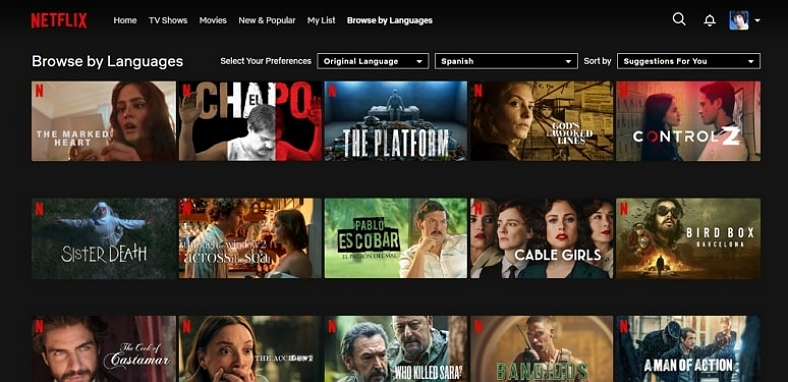
Netflix has become a goldmine for Spanish learners, offering content from multiple Spanish-speaking countries. Start your viewing journey with Spanish subtitles rather than English ones. This approach forces your brain to connect spoken words with their written forms, dramatically improving comprehension over time.
Pick shows that match your current level and interests. Beginners should consider “Extra en Español,” a sitcom created specifically for Spanish learners, or “Destinos,” an educational series following a mystery across Spanish-speaking countries. Intermediate learners can tackle popular series like “Money Heist” (La Casa de Papel) or “Elite,” while advanced students might enjoy regional content like Mexican telenovelas or Argentine thrillers.
Viewing Optimization Techniques:
- Watch the same episode multiple times with different subtitle settings
- Pause to look up unfamiliar words or phrases
- Repeat dialogue out loud to practice pronunciation
- Choose shows with clear dialogue over action-heavy content
- Keep a vocabulary notebook nearby while watching
Play Spanish music throughout the day
Music creates an effortless way to absorb Spanish rhythm, pronunciation, and cultural expressions without feeling like formal study time. Create playlists featuring different genres and regions to expose yourself to various accents and vocabulary. Reggaeton from Puerto Rico, pop ballads from Spain, and folk music from Mexico each offer unique linguistic treasures.
Focus on artists with clear pronunciation like Jesse & Joy, Manu Chao, or Álvaro Soler. These musicians tend to articulate words clearly, making it easier to follow along and sing with confidence. Print out lyrics or use apps like Genius to read along while listening, turning every song into a mini vocabulary lesson.
Musical Learning Strategies:
- Create themed playlists (love songs, workout music, relaxing tunes)
- Learn one new song completely each week
- Practice singing along to improve pronunciation
- Explore music from different Spanish-speaking countries
- Use music streaming apps that display lyrics in real-time
The beauty of musical immersion lies in its passive nature – your brain absorbs patterns, intonation, and common expressions while you go about daily activities like cooking, exercising, or cleaning.
The third suggestion on how to practice Spanish every day is by trying to speak Spanish in all given situations.

Record yourself speaking daily vocabulary
Pick up your phone and start recording yourself saying new Spanish words you learned that day. This simple practice creates a powerful feedback loop that helps you catch pronunciation mistakes and track your progress over time. Choose 5-10 words or phrases each day, record yourself saying them clearly, then play it back to hear how you sound.
Create a daily recording routine by setting aside just 5 minutes each morning or evening. Say each word three times, use it in a sentence, then record the entire sequence. Save these recordings in a dedicated folder on your phone – you’ll be amazed at how much your accent improves when you listen to recordings from a month ago compared to today.
Focus on problem sounds that don’t exist in English, like the rolled R or the ñ sound. Record yourself attempting these sounds repeatedly until they start feeling natural. This deliberate practice builds muscle memory in your mouth and tongue, making authentic pronunciation automatic over time.
Use language exchange apps for conversation practice
Download apps like HelloTalk, Tandem, or Speaky to connect with native Spanish speakers who want to learn your language. These platforms create win-win situations where you help someone with English while they guide your Spanish conversation skills.
Start conversations with simple topics like your daily routine, favorite foods, or weekend plans. Don’t worry about making mistakes – your conversation partners expect them and often find them endearing. Many users become long-term language buddies who genuinely care about your progress.
Set up regular video calls with the same partners to build consistency. Having scheduled conversations creates accountability and gives you something to look forward to. Prepare topics beforehand if you’re nervous, but let the conversation flow naturally once you get started.
Talk to yourself in Spanish during daily activities
Transform mundane activities into Spanish practice sessions by narrating what you’re doing out loud. While cooking dinner, describe each step: “Estoy cortando las cebollas” or “Ahora voy a freír el ajo.” This method integrates language learning seamlessly into your existing routine without requiring extra time.
Practice giving yourself commands in Spanish: “Necesito lavarme los dientes” before brushing or “Voy a revisar mi correo” before checking email. This internal dialogue helps Spanish become your thinking language rather than just something you study.
Create imaginary conversations with friends, family members, or even celebrities while walking, driving, or doing chores. Role-play different scenarios like ordering food, asking for directions, or discussing your favorite movies. These solo practice sessions build confidence for real conversations.
Join online Spanish conversation groups
Search Facebook, Meetup, or Discord for Spanish conversation groups that meet regularly via video chat. Many cities have virtual Spanish meetups that welcome learners of all levels, creating supportive environments where everyone shares the same goal.
Look for groups organized by skill level – beginner circles focus on basic vocabulary and simple sentences, while intermediate groups tackle more complex topics like current events or cultural differences. Advanced groups often discuss literature, politics, or philosophical topics entirely in Spanish.
Participate in structured activities like Spanish book clubs, movie discussion groups, or current events debates. These focused conversations give you specific topics to prepare for and vocabulary to research beforehand. Regular participation in the same group helps you build relationships with other learners and track your improvement week by week.
The fourth suggestion on how to practice Spanish every day is by reading the language content to build vocabulary.

Start with simple news articles
Spanish news websites offer the perfect stepping stone for expanding your vocabulary while staying informed about current events. Begin with simplified news sources like News in Slow Spanish or BBC Mundo’s easier articles. These platforms use straightforward language without sacrificing real-world relevance. Pick topics that genuinely interest you – sports, technology, entertainment – because you’ll naturally push through challenging vocabulary when the subject matter captivates you.
Start by reading headlines and summaries before diving into full articles. Keep a vocabulary notebook handy to jot down new words, but don’t stop to translate every unknown term. Context clues will help you understand the main ideas, and repeated exposure to the same vocabulary across different articles will cement these words in your memory. Set a goal of reading one short article daily, gradually increasing to longer pieces as your comprehension improves.
Follow Spanish social media accounts
Social media provides an endless stream of authentic Spanish content that reflects how people actually communicate today. Follow Spanish-speaking influencers, news outlets, and content creators who post about your hobbies or interests. Instagram captions, Twitter threads, and Facebook posts expose you to informal vocabulary, slang, and cultural expressions that textbooks rarely cover.
Create separate social media accounts dedicated to Spanish learning if needed. This way, your feeds will be filled with Spanish content, creating an immersive environment. TikTok offers bite-sized content perfect for quick vocabulary absorption, while YouTube channels provide longer-form content with captions you can follow along. Pay attention to comments sections too – they reveal how native speakers react and respond in casual settings.
Read children’s books in Spanish
Children’s literature might seem elementary, but it’s actually a brilliant strategy for vocabulary building. These books use clear, simple language while telling engaging stories that keep you motivated to continue reading. The repetitive nature of children’s stories helps reinforce new vocabulary naturally, and the accompanying illustrations provide visual context clues for unfamiliar words.
Start with picture books and gradually move to chapter books for older children. Many classic children’s stories are available in Spanish translations, so you might already know the plot, allowing you to focus purely on language acquisition. Libraries often have Spanish children’s book sections, and many titles are available as free ebooks online. Don’t feel embarrassed about reading “kids’ books” – you’re building a solid foundation that will support more complex reading later.
Use Spanish learning apps with reading exercises
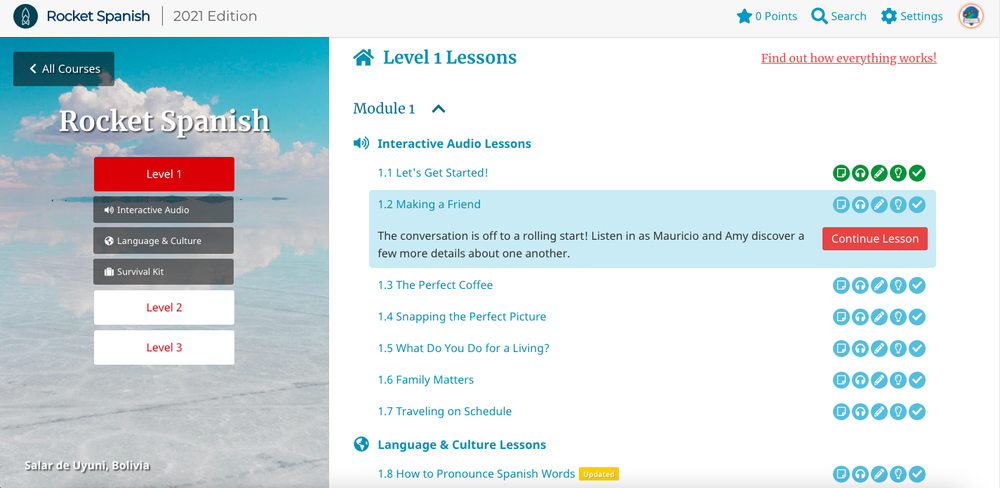
Reading-focused language apps offer structured vocabulary building with immediate feedback and progress tracking. Apps like LingQ, Beelinguez, and FluentU provide articles at different difficulty levels with built-in dictionaries and comprehension exercises. These platforms often include audio recordings of the text, helping you connect written and spoken Spanish simultaneously.
Many apps use spaced repetition systems that bring back vocabulary you’ve struggled with, ensuring long-term retention. Look for apps that offer a variety of text types – news articles, short stories, blogs, and essays – to expose yourself to different writing styles and vocabulary sets. Some apps even let you import your own reading materials, allowing you to study content that personally interests you while benefiting from the app’s vocabulary tracking features.
To practice more of your Spanish, you got check this great tool, click here right now!
The fifth suggestion on how to practice Spanish every day is by writing in the language to reinforce learning.

Keep a daily Spanish journal
Writing in a Spanish journal transforms your learning from passive absorption to active creation. Start with just five minutes each day, documenting your thoughts, experiences, or daily activities. Don’t worry about perfect grammar initially – focus on expressing yourself authentically. Write about what you ate for breakfast, describe your mood, or reflect on interesting conversations you had.
As you build confidence, challenge yourself with different topics. Describe your weekend plans, write about a movie you watched, or explore your opinions on current events. This variety expands your vocabulary naturally while reinforcing grammatical structures you’ve learned. Keep your journal entries conversational and personal – this emotional connection helps cement new words and phrases in your memory.
Review previous entries weekly to track your progress and identify common mistakes. You’ll notice your sentences becoming more complex and your vocabulary expanding organically. Many Spanish learners discover that journaling becomes their favorite practice method because it combines creativity with language learning in a low-pressure environment.
Write grocery lists and notes in Spanish
Transform mundane daily tasks into Spanish practice opportunities by switching your grocery lists, to-do lists, and personal notes to Spanish. This practical approach integrates language learning seamlessly into your routine without requiring extra time commitment.
Start with basic grocery items you buy regularly: leche, pan, manzanas, pollo. Gradually expand to include specific brands, quantities, and descriptive words like orgánico or integral. Create themed lists to build vocabulary clusters – group cleaning supplies, produce items, or household essentials together.
Beyond shopping lists, write appointment reminders, birthday notes, and daily task lists in Spanish. Label items around your house with Spanish sticky notes. Write cooking recipe modifications, travel packing lists, or gift ideas for family members. These real-world applications make vocabulary stick because you’re using words in meaningful contexts.
The beauty of this method lies in immediate practical application. When you shop or complete tasks, you’re actively recalling and using the Spanish words you wrote. This repetition strengthens neural pathways and builds automatic recall for everyday vocabulary.
Practice Spanish texting with language partners
Digital communication offers countless opportunities to practice written Spanish in real-time conversations. Find language exchange partners through apps like HelloTalk, Tandem, or local community groups who want to practice English while helping you with Spanish.
Start with simple exchanges about daily activities, hobbies, or cultural differences between your countries. Texting creates a relaxed environment where you can take time to construct responses thoughtfully. Unlike speaking practice, written exchanges let you reference dictionaries or grammar guides when stuck, building confidence gradually.
Embrace the informal nature of texting Spanish. Learn common abbreviations like q for que, x for por, and k for que. Understand regional slang and expressions that textbooks rarely teach. Your language partners will naturally introduce colloquialisms and contemporary phrases that make your Spanish sound more authentic and current.
Create group chats with multiple Spanish speakers to experience different writing styles and regional variations. Participate in Spanish-language social media groups or forums related to your interests. Comment on posts, ask questions, and engage in discussions. This exposure to diverse writing styles and topics accelerates your comprehension while providing endless practice opportunities for expressing complex thoughts in written Spanish.
In conclusion, to practice Spanish every day, you have to invest time in studying it and implement strategies for using it effectively.
Making Spanish part of your daily routine doesn’t have to feel overwhelming. The key is finding small ways to weave the language into your existing schedule. Set aside just 15-20 minutes each day for listening practice, whether that’s through podcasts during your commute or Spanish music while cooking. Speaking out loud, even if it’s just to yourself, helps build confidence and muscle memory. Reading Spanish articles or books exposes you to new vocabulary naturally, while writing short journal entries or texts reinforces what you’ve learned.

Start with one or two of these practices and gradually add more as they become second nature. Consistency beats perfection every time – even five minutes of daily Spanish is better than cramming for hours once a week. Pick the methods that fit your lifestyle and interests, and remember that every small step forward counts. Your future Spanish-speaking self will thank you for the daily effort you put in today.
As a form of inspiration to continue practicing your Spanish, I want to give you a copy of my Free e-book ” Mastering Spanish Conversations.” Please click the botton below to grab your copy now!
Don’t forget to comment and share this blog post on your social media accounts!
If you are new to my blog, please feel free to check out the other recent posts.